COWS AT WORK
Discover why cattle graze Alberta’s landscapes — and what to know when you meet the herd.
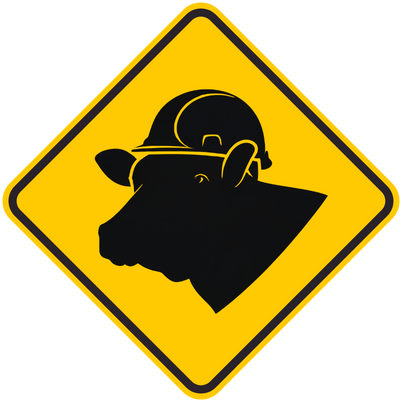
RANCHING ON ALBERTA’S WORKING LANDSCAPES.
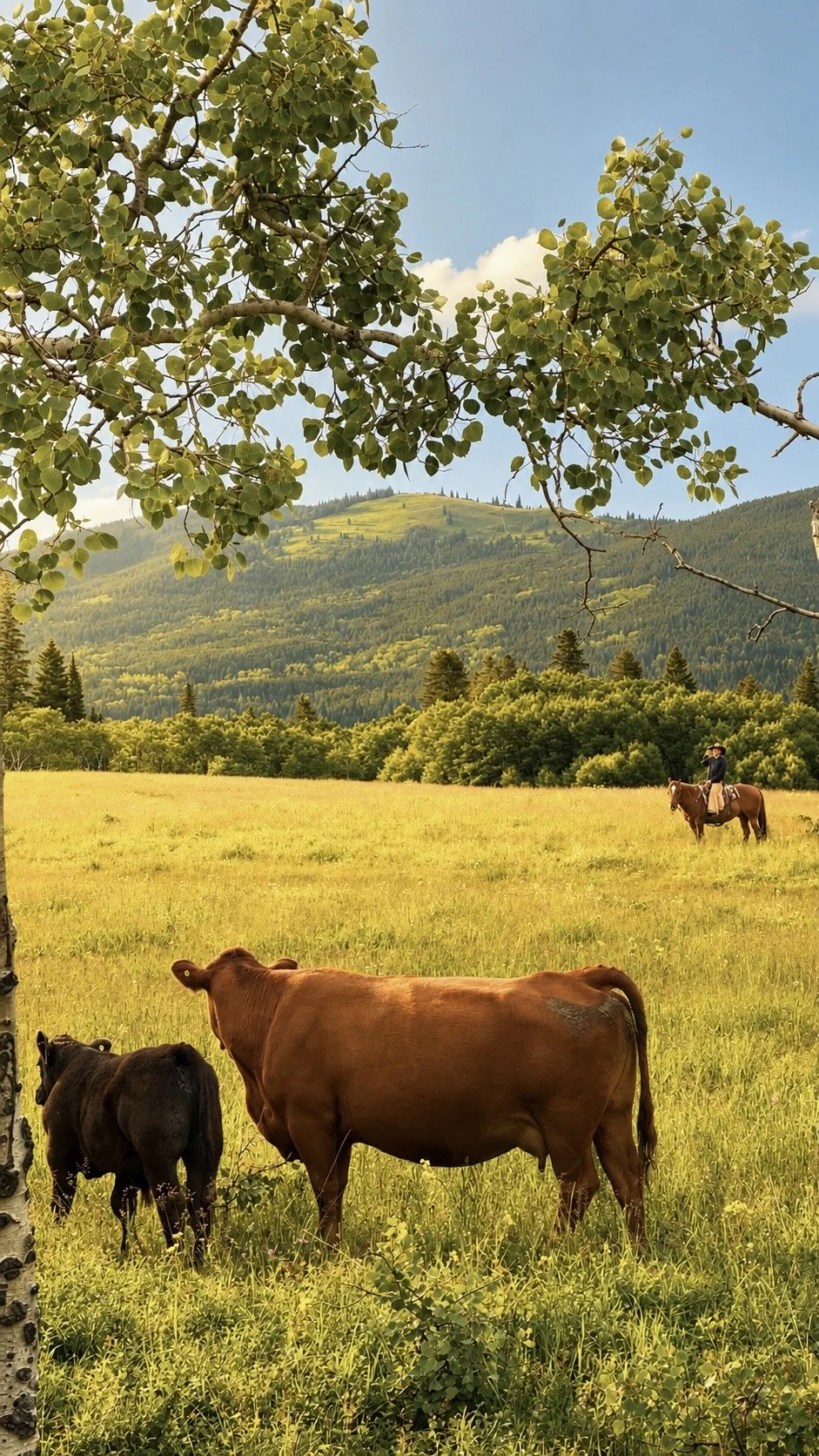
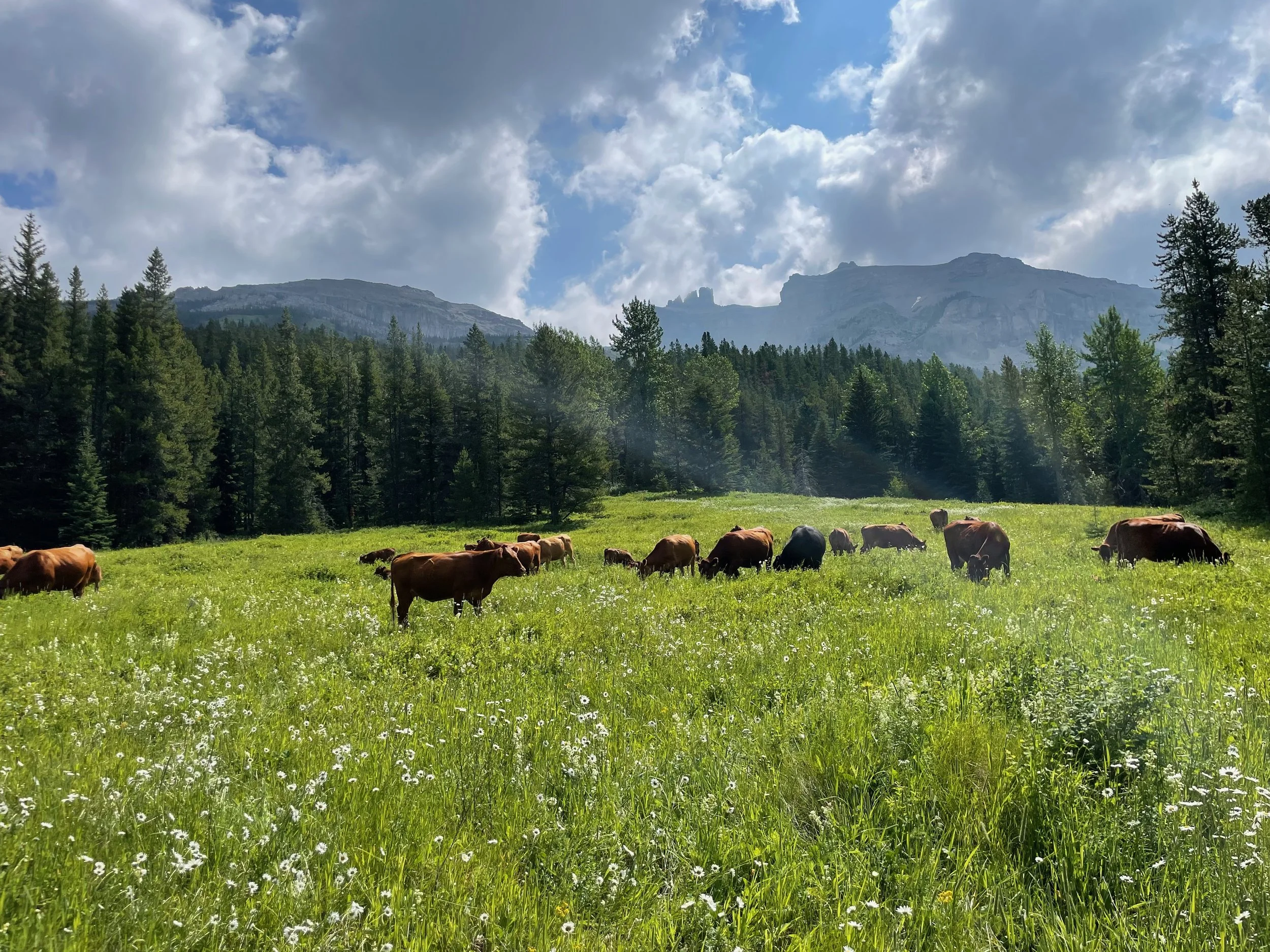
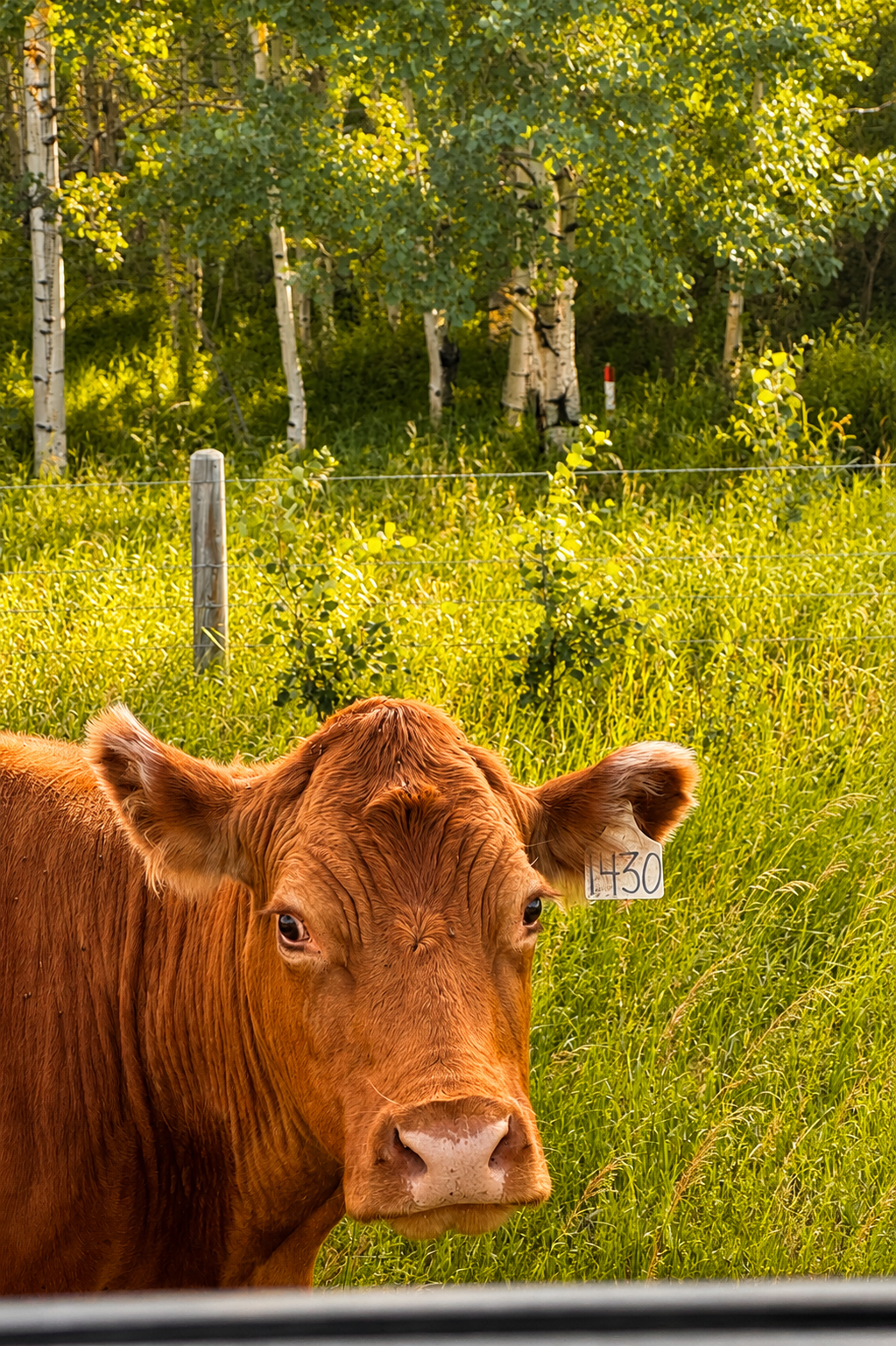
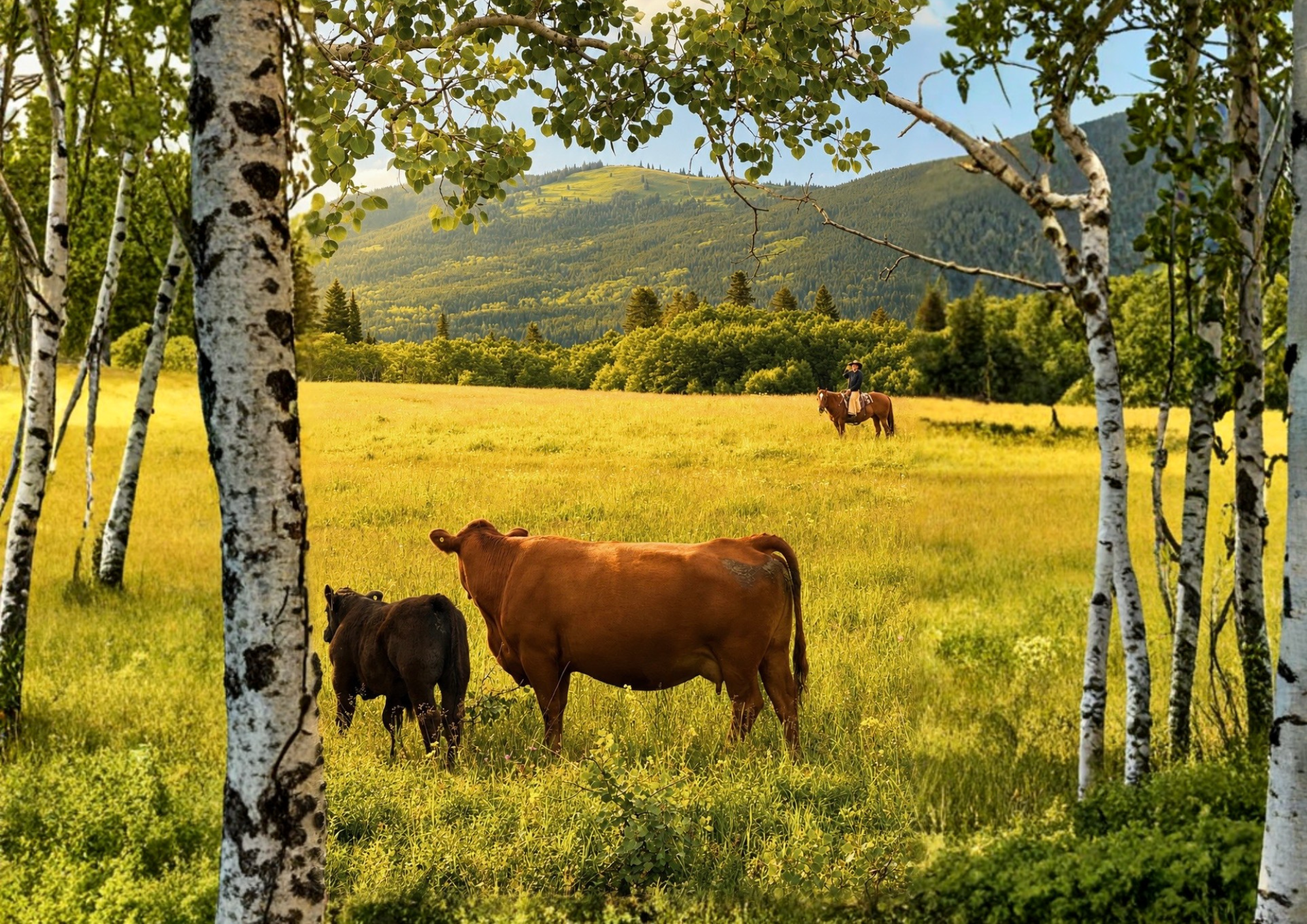
Cows at Work is an educational initiative that shares the story of ranching and the important role cattle play in Alberta’s working landscapes. By working together, ranchers, land managers and communities help keep these landscapes healthy, productive and accessible for generations to come.
Why Grazing Matters
🌱
Healthy Grasslands
Strategic grazing can help manage vegetation while supporting healthy, productive grasslands.
🌾
Plant
Diversity
Managed grazing can create varied vegetation conditions that support diverse plant communities.
🔥
Resilient Landscapes
By consuming grasses and other vegetation, cattle can help reduce fine fuels as part of broader land-management practices.
🐄
Healthy
Cattle
Access to summer grazing gives cattle room to move, forage naturally and make use of Alberta’s productive rangelands..
Cows at Work
Scroll through the grazing cycle.
Spring Turnout
Cattle move into selected grazing areas when forage and conditions are suitable.
Managed Grazing
Cattle graze selected areas while ranchers monitor forage, livestock and conditions.
Rest & Recovery
Grazing areas are given time to recover and regrow.
Healthy Working Landscapes
Managed grazing helps support productive grasslands, livestock and resilient working landscapes.
When You
Meet The Herd
Seeing cattle is part of experiencing Alberta’s working landscapes. Cattle are generally calm, but they’re large animals — give them space and let them move at their own pace.
On A Trail
Give cattle plenty of room. Move calmly and don’t approach or feed them.
With A Dog
Keep dogs under control and give cattle extra space.
On A Road
Slow down, be patient and allow cattle to move safely.
On Horseback
Give cattle space and avoid suddenly crowding or pushing the herd.
Cows & Calves
Never approach or get between a cow and her calf.
Gates & Fences
Leave gates as you found them and respect posted grazing information.